

In today’s digital era, every smart device—from smartphones to advanced automotive systems—relies on powerful semiconductor chips. This is where VLSI (Very Large Scale Integration) plays a crucial role. It involves designing integrated circuits by combining millions (or even billions) of transistors on a single chip, enabling high performance and compact electronic systems.
As industries rapidly adopt technologies like AI, IoT, and 5G, the demand for skilled VLSI engineers is growing significantly. Enrolling in a VLSI training institute can be the perfect step toward building a future-proof and high-paying career.
What is VLSI and Why is it Important?
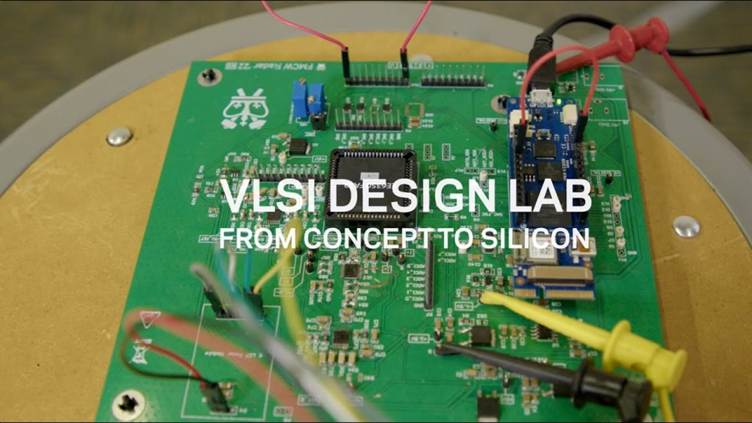
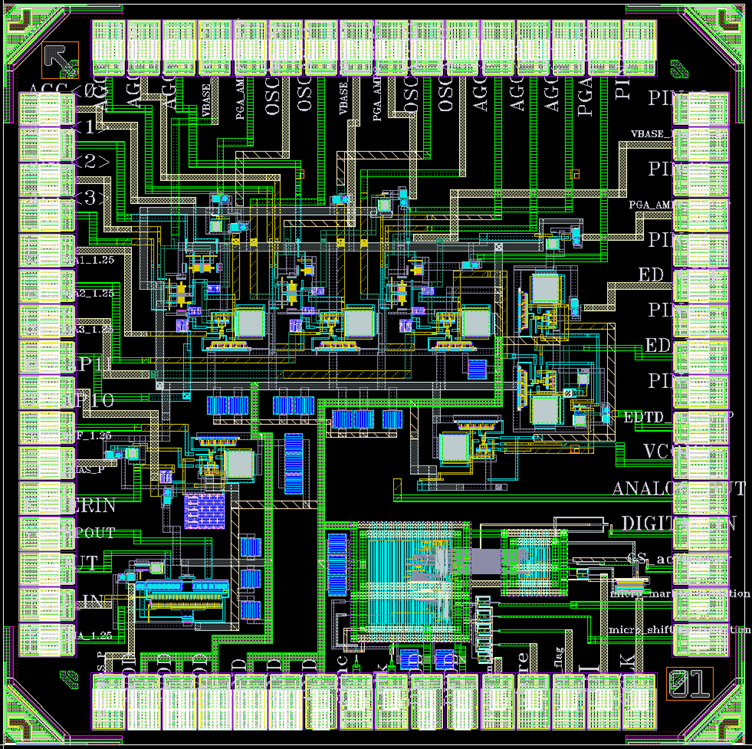
VLSI is the process of designing and fabricating integrated circuits that power modern electronic devices. It covers multiple domains such as digital design, analog design, verification, and physical design.
Modern VLSI systems are used in:
- Smartphones and laptops
- Automotive electronics
- Medical devices
- Communication systems
The complexity of chip design requires specialized skills and tools, which makes professional training essential.
Why Join a VLSI Training Institute?
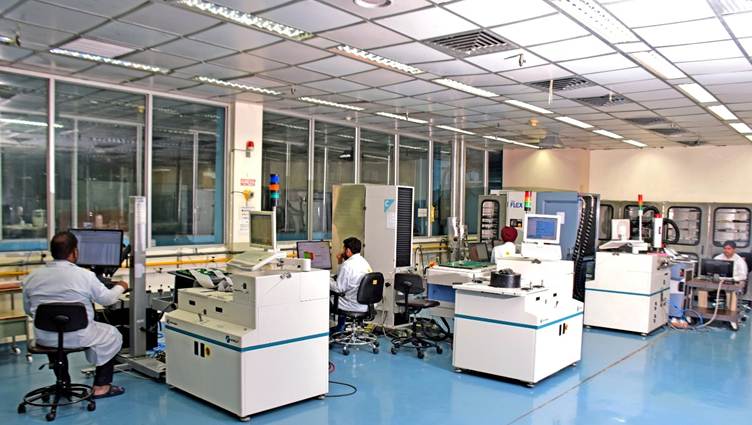
A VLSI training institute provides practical exposure that goes beyond traditional classroom learning.
1. Hands-On Lab Experience
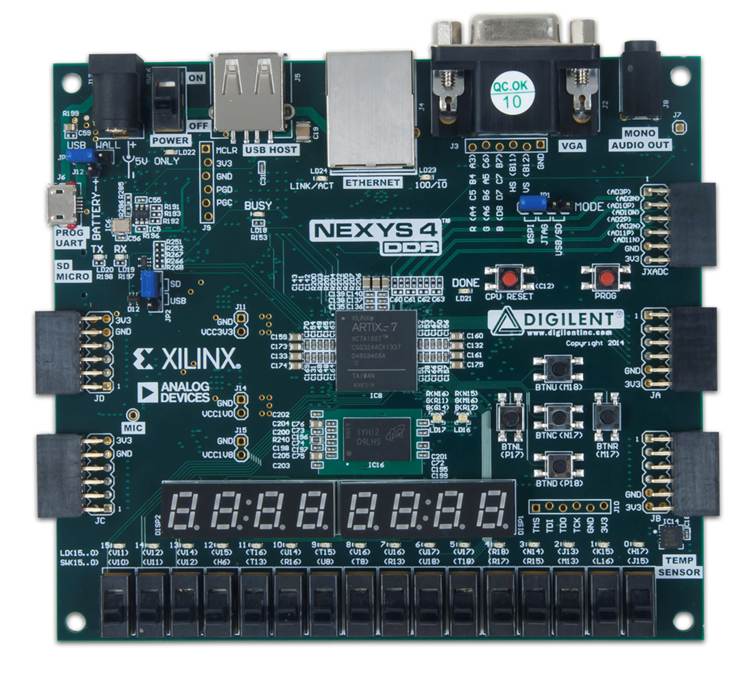
Institutes provide access to advanced labs equipped with FPGA boards and EDA tools where students can design, simulate, and test circuits in real-time. (
2. Industry-Oriented Curriculum
Courses are designed based on current industry needs, covering:
- RTL Design
- Verification (SystemVerilog, UVM)
- Physical Design
- ASIC & FPGA Design
3. Real-Time Projects
Students work on live projects that simulate real chip design workflows—from concept to silicon—helping them understand practical challenges.
4. Expert Mentorship
Training is often provided by professionals with real industry experience, giving insights into actual semiconductor workflows.
5. Placement Support
Many institutes offer job assistance, resume building, and interview preparation, improving employability.
Skills You Will Learn
A VLSI training program equips you with:
- Hardware Description Languages (Verilog/VHDL)
- Digital & Analog Circuit Design
- Simulation and Verification Techniques
- Problem-solving and Debugging
- Knowledge of EDA tools like Cadence and Synopsys
These skills are essential for designing efficient and high-performance chips.
Career Opportunities in VLSI
After completing VLSI training, you can explore roles such as:
- VLSI Design Engineer
- Verification Engineer
- Physical Design Engineer
- FPGA Engineer
- ASIC Engineer
The semiconductor industry is expanding rapidly, creating strong demand for skilled professionals across the globe.
Future Scope of VLSI
The future of VLSI is extremely promising. With increasing investments in semiconductor manufacturing and design, VLSI professionals are becoming critical to technological growth.
Industries such as AI, data centers, and IoT heavily depend on efficient chip design, making VLSI one of the most in-demand career paths today. (LeadSOC)
Conclusion
Choosing a VLSI training institute is not just about learning a course—it’s about building a strong foundation for a high-growth career in the semiconductor industry. With hands-on experience, expert guidance, and industry exposure, you can transform your technical skills into real-world innovation.
If you are passionate about electronics and want to work on cutting-edge technologies, now is the right time to step into the world of VLSI.